
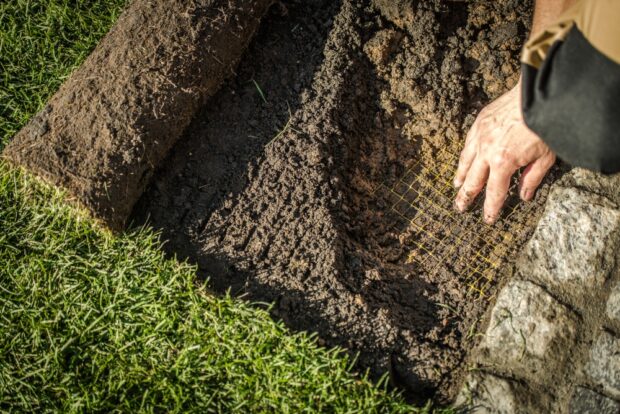
Hardscaping is a vital part of many residential landscapes, adding both function and aesthetic appeal. However, in regions like Missouri, unpredictable soil conditions pose unique challenges for homeowners investing in patios, retaining walls, walkways, and other hardscape features. From the swelling of clay soil during wet periods to the freeze-thaw cycle Missouri experiences each winter, soil movement can dramatically affect the integrity and longevity of hardscaping elements. Understanding these challenges is essential for homeowners who want to protect their investments and maintain a beautiful, functional outdoor space.
The Impact of Clay Soil in Kansas City Hardscaping Projects
One of the defining characteristics of soil in Kansas City and much of Missouri is its high clay content. Clay soil is known for its ability to retain water, which makes it prone to expanding when wet and shrinking when dry. This continual swelling and contracting leads to significant soil movement beneath hardscape features, which can disrupt the stability of the entire structure.
When hardscaping is installed directly onto or within clay soil without proper preparation or mitigation strategies, problems like shifting pavers, cracked concrete, and leaning retaining walls can emerge within a short time. For example, in Kansas City neighborhoods with sloped yards or poor drainage, retaining wall stability is frequently compromised due to the lateral pressure from moving, saturated clay.
To prevent such issues, contractors must design hardscapes with soil behavior in mind, often incorporating gravel bases, geogrid reinforcement, or deep footings to offset the expansive characteristics of the soil. Homeowners should always ask about these precautions before installation begins to ensure long-term durability.
Understanding the Freeze-Thaw Cycle in Missouri
Missouri’s climate plays a significant role in how soil behaves year-round. The region is notorious for its freeze-thaw cycle during the late fall and winter months, which can exacerbate soil movement. When moisture in the soil freezes, it expands. Once it thaws, the ground contracts again. This cycle repeats frequently throughout the season, sometimes causing the ground to heave or shift unpredictably.
This is particularly problematic for hardscape features that sit close to the surface, like walkways, patios, and steps. If these structures lack adequate drainage or foundational support, the freeze-thaw cycle can cause them to lift unevenly or develop cracks over time. For instance, homeowners in areas like Raymore, MO often notice paver patio sinking after a particularly harsh winter due to these ongoing shifts in the soil below.
To counter this, experts recommend using frost-resistant materials and ensuring that the foundation extends below the frost line whenever possible. Adequate drainage systems are also critical to divert water away from the hardscape, reducing the amount of moisture that freezes underneath.
Common Hardscape Foundation Issues Caused by Soil Movement
Soil movement in Missouri can lead to a host of hardscape foundation issues that are both frustrating and expensive to fix. Improper preparation or underestimation of soil behavior is a major culprit behind most of these problems.
One frequent concern is settling, where a hardscape structure gradually sinks into the soil, creating uneven surfaces or dangerous tripping hazards. This is especially common in paver patios and walkways that don’t have a compacted base layer of gravel or sand. In some Raymore, MO homes, paver patio sinking has become so pronounced that full reconstruction is necessary within just a few years of installation.
Another major issue is cracking, particularly in concrete slabs and pathways. As soil shifts and settles, it creates stress points in rigid materials, leading to fractures. While hairline cracks might be cosmetic at first, they often worsen over time and may compromise the structural integrity of the hardscape.
Retaining walls are also susceptible to failure if their foundations are not properly engineered. In Kansas City, where retaining wall stability is essential due to the region’s elevation changes and clay-heavy soil, poorly constructed walls may bow, lean, or even collapse under pressure from shifting soil and accumulated moisture.
Retaining Wall Stability and the Role of Proper Drainage in Kansas City
Retaining walls are not just decorative features. They are structural systems that hold back soil and manage elevation changes in a landscape. In Kansas City, where the terrain can be uneven and the soil highly reactive to moisture, ensuring retaining wall stability requires more than stacking blocks and backfilling dirt.
Proper drainage is a key component in preserving the stability of retaining walls in this region. When water accumulates behind a wall due to inadequate drainage, it increases the lateral pressure against the structure. Over time, this can cause walls to crack, shift, or fall over entirely. To prevent such failures, professional installers incorporate weep holes, perforated drain pipes, and gravel backfill into the design.
Another strategy involves anchoring the wall into the hillside using geogrid reinforcement. This synthetic mesh material extends into the soil behind the wall, distributing pressure and preventing soil movement from dislodging the structure. For long-term success, it’s also vital that the wall’s foundation be laid below the frost line and on well-compacted gravel, especially in areas prone to freeze-thaw cycles.
What Homeowners in Raymore, MO Should Know About Sinking Paver Patios
Homeowners in Raymore, MO often enjoy installing paver patios as a way to extend their outdoor living space. However, this region is particularly affected by soil movement due to its clay composition and seasonal weather patterns. The result is a higher-than-average occurrence of paver patio sinking, which can be both unsightly and hazardous.
The most common cause of this issue is inadequate base preparation. A proper paver installation begins with excavation of several inches of soil, followed by the addition and compaction of a gravel base layer. Sand is then layered on top to help level the pavers and facilitate water drainage. If any of these steps are rushed or skipped, the pavers are left vulnerable to soil movement.
Moisture management is another crucial factor. Without proper grading or the installation of edge restraints, water can infiltrate the base layers, washing away material and causing the surface to settle unevenly. Freeze-thaw cycles only worsen the situation by pushing individual pavers up or down with each temperature swing.
Homeowners who notice early signs of paver shifting should act quickly to re-level the affected areas before the damage spreads. Long-term solutions might require lifting and resetting the entire patio with a more robust foundation system.
Conclusion
Soil movement in Missouri presents unique challenges to homeowners investing in hardscaping. From the expansive nature of clay soil in Kansas City to the effects of the freeze-thaw cycle across the state, understanding the underlying causes of hardscape foundation issues is critical for long-term success. Retaining wall stability and the prevention of paver patio sinking in areas like Raymore, MO depend on strategic design, proper drainage, and expert installation techniques that account for regional soil behavior.
For homeowners, being informed about how Missouri’s soil conditions impact hardscaping can mean the difference between a thriving outdoor space and a costly, recurring repair project. Whether you’re planning a new installation or troubleshooting existing issues, working with professionals who understand the local environment is the first step in creating hardscapes that endure the test of time and nature.
Need a Hardscape Contractor in Raymore, MO?
Since 2004, MSE Hardscape Design and Installation has been the expert provider and installer of retaining walls for the city of Kansas City and its surrounding areas. We are dedicated to providing exceptional and professional services to our valued customers. Our specialty lies in the design, installation, and maintenance of retaining walls for both commercial and residential spaces. We offer many services to meet the needs of our customers, including the building and installation of segmented block and large-block retaining walls, interlocking pavers, fire pits, outdoor kitchens, and pizza ovens. Our goal is to create an oasis out of your backyard or commercial space! Call us today for a consultation!